I have lived in Las Vegas for exactly three years. In about two months, I will no longer live in Nevada.
Years ago, I observed an interesting pattern when reading about places in Nevada. The Las Vegas strip? It’s not in the city of Las Vegas. It’s in the unincorporated community of Paradise, in unincoroporated Clark County. Summerlin, where the Las Vegas Aviators play minor league ball? Also not a city, it’s another unincorporated community in Clark County. Real-world places found in my first few hours playing Fallout: New Vegas, such as Primm, Goodsprings, Nelson, and Searchlight? All unincorpirated communities in Clark County.
After reading up a bit, I discovered that, despite having over three million people and being the seventh largest state by area, Nevada only has nineteen cities and seventeen counties. Nevada only allows for places to incorporate as a county or as a city. Most other states have other types of municipalities, such as “towns” or “villages”. Nevada law appears to not make such allowances.
With only thirty-six places total and a desire to get to know Nevada better, the first thought in my head was “why don’t I just to to all of them?” It’s a silly idea. It’s an incomplete way to experience Nevada, as, beyond its living cities, Nevada has tons of nature, hundreds of ghost towns, and sizeable unincorporated towns that wouldn’t be included on this list. Following this list meant I’d be stopping in cities that lack a single museum, but skipping the entire Nevadan side of Lake Tahoe.
The idea stuck. How many people have visited every incorporated place in a any state? Sure I’ll have plenty of time in Wisconsin, and I’ll be in California for a few weeks at a time visiting my parents for the forseeable future. But Wisconsin has 72 counties and California has 58, and they have far more cities. Why not just visit all of them in Nevada? How hard could it be?
This trip’s dumbest, but most philosophically direct inspiration is the Eddy Burback video “I ate at every Rainforest Cafe in the Country” and its follow-up piece “I ate at every Margaritaville in the Country“. Both stem from the very absurd idea of visiting all of the things. As with Eddy Burback’s misadventures in gastronomical overlanding, I wasn’t sure what to expect when I set out, but ended up finding a lot to think about along the way.
There’s no thesis statement to this series of posts. Photos will be sparse and Spartan as I 1) had to travel at an absolute breakneck pace as we’re a one-car household with one person who commutes to work and 2) I have an extreme aversion to getting in anyone else’s way while taking photos, and 3) I frequently had to hit the road before 5AM each day of travel, so I was a little bleary-eyed when setting up some shots. Further, I realized midway through my first stop that, even under ideal conditions, I’m not particularly adept at taking photos of myself or posing for photos.
That having been said, here’ a list of incorporated places in Nevada, in the order that I visited them:
| Place | Type of Place | If County, County Seat Location | Notes/comments |
| Las Vegas | City | ||
| Clark County | County | Las Vegas | |
| Mesquite | City | ||
| North Las Vegas | City | ||
| Henderson | City | ||
| Boulder City | City | ||
| Esmerelda County | County | Goldfield | Yes, it is named after the character from The Hunchback of Notre Dame. |
| Nye County | County | Tonopah | |
| Mineral County | County | Hawthorne | |
| Fallon | City | ||
| Churchill County | County | Fallon | No, it’s not named after that Churchill. However it is named after a distant relative of Winston Churchill. |
| Lovelock | City | ||
| Pershing County | County | Lovelock | Yep, named after that Pershing. |
| Winnemucca | City | ||
| Humboldt County | County | Winnemucca | |
| Lander County | County | Battle Mountain | |
| Carlin | City | ||
| Elko | City | ||
| Elko | County | Elko | |
| Wells | City | ||
| West Wendover | City | ||
| Ely | City | Rhymes with “wheelie”. NOT like the name “Eli.” | |
| White Pine County | County | Ely | |
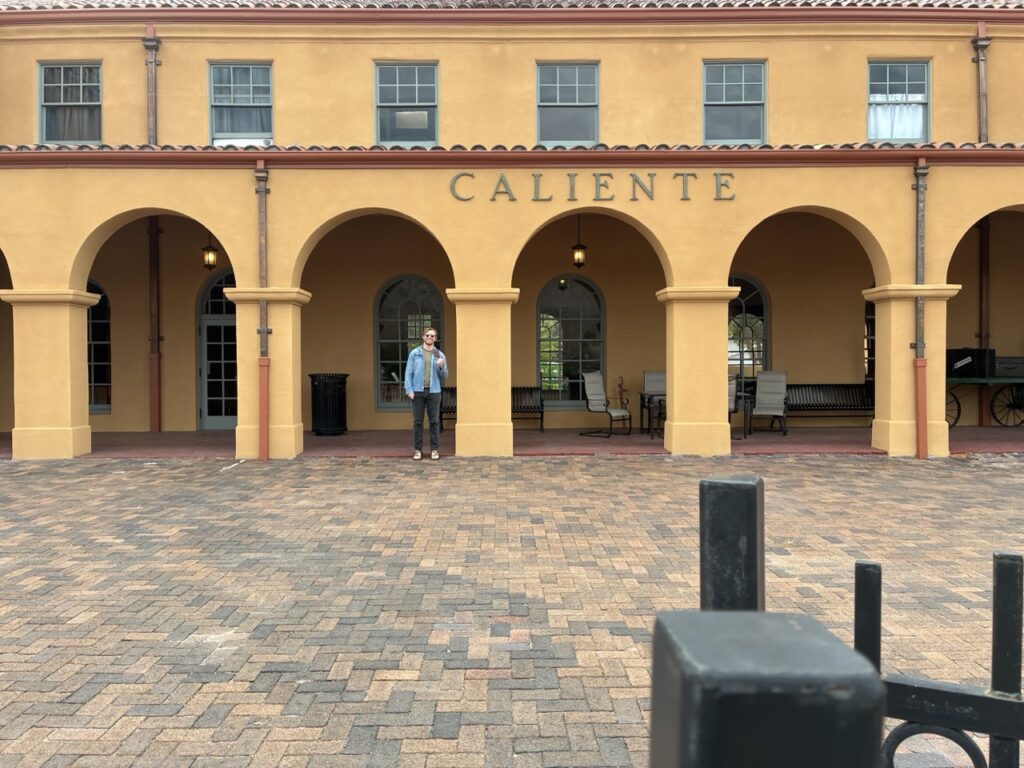
| Caliente | City | ||
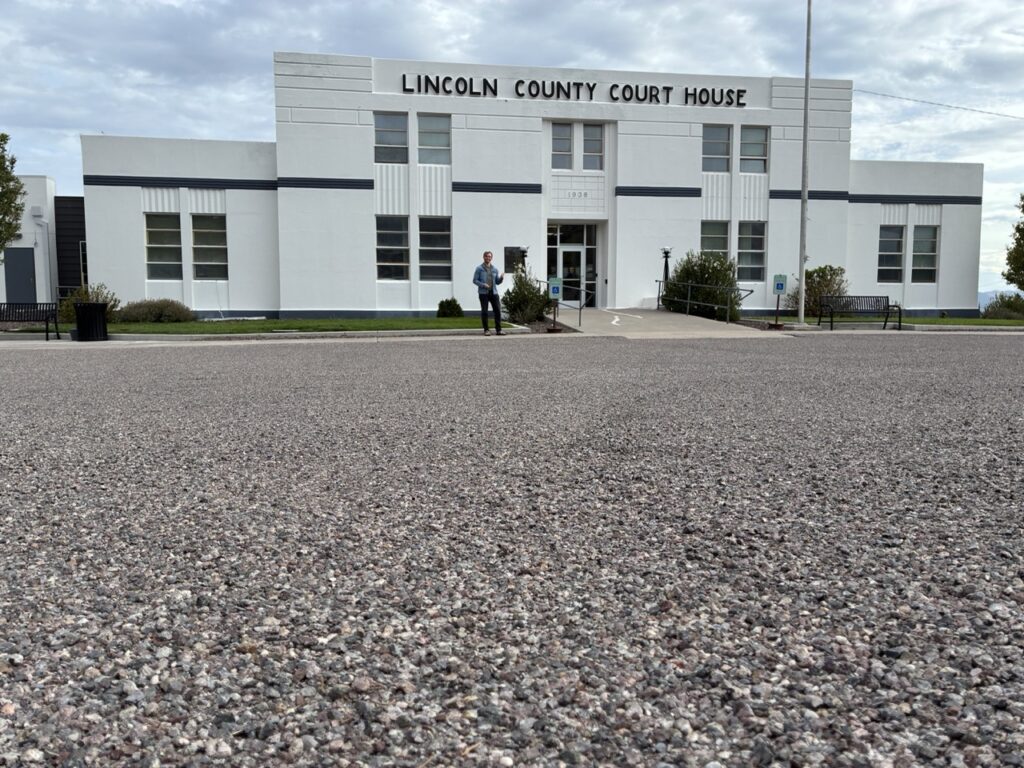
| Lincoln County | County | Pioche | |
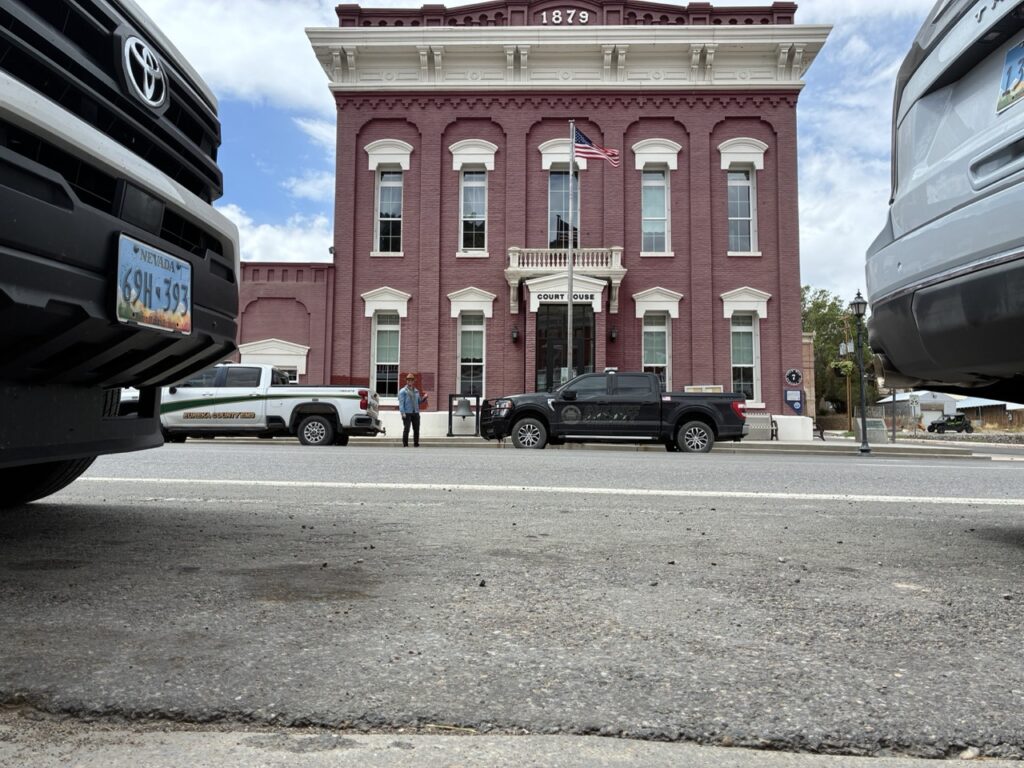
| Eureka County | County | Eureka | |
| Fernley | City | ||
| Sparks | City | ||
| Reno | City | ||
| Washoe County | County | Reno | |
| Storey County | County | Virginia City | Despite the name, Virginia City is not legally a city. |
| Carson City | County | Legally, it operates as both a city and as a county. | |
| Carson City | City | ||
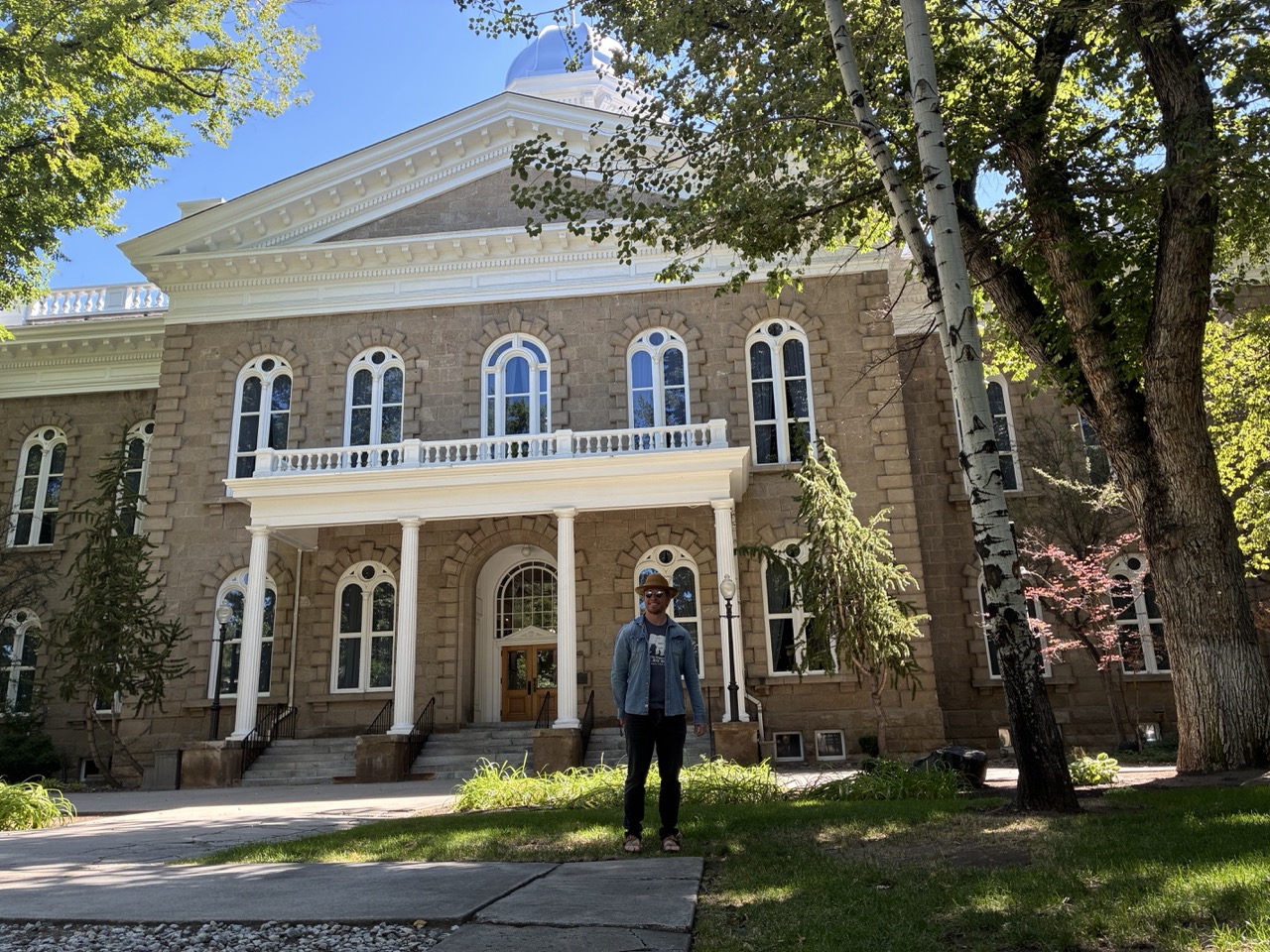
| Carson City | State Capitol | ||
| Douglas County | County | Minden | |
| Yerrington | City | ||
| Lyon County | County | Yerrington |
I’ll be writing a series of posts about planning and exploring everywhere on this trip. Because it was conducted at breakneck pace, with early mornings, minimal stops, and a low budget, this will not be any sort of food blog.
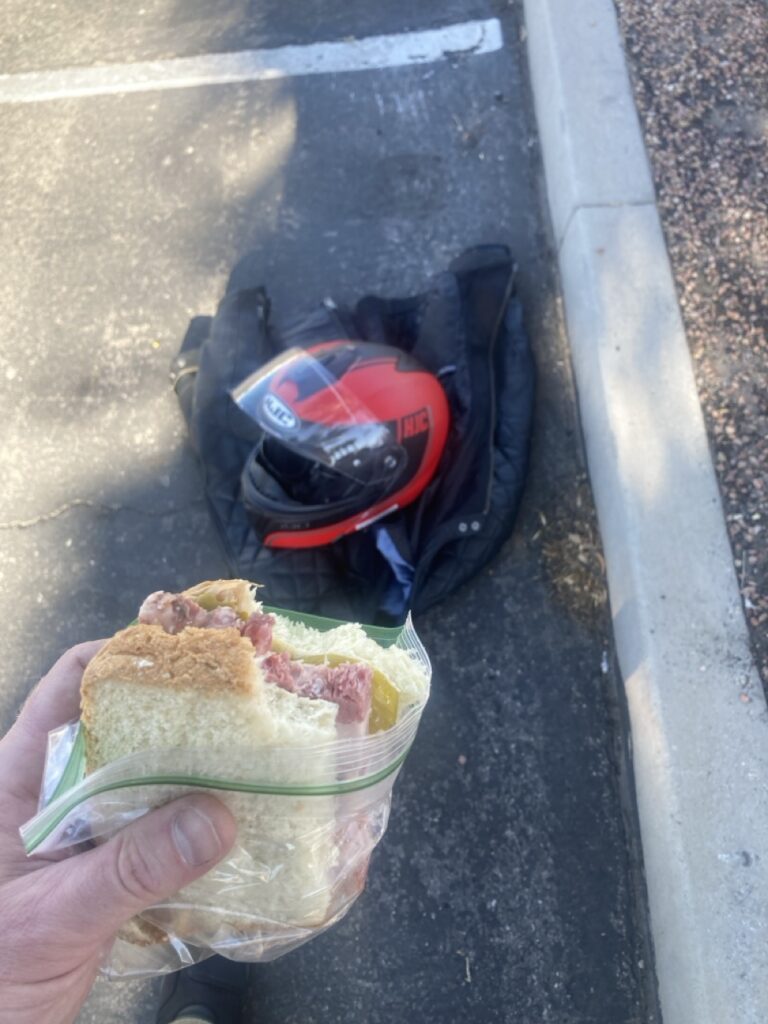
I cannot stress the extent to which this series of posts will not be a food blog. I had one meal at a restaurant in all my travels, whilst delusional with altitude sickness after a grueling 12 mile run in the hills around Tonopah at 6,000 feet.
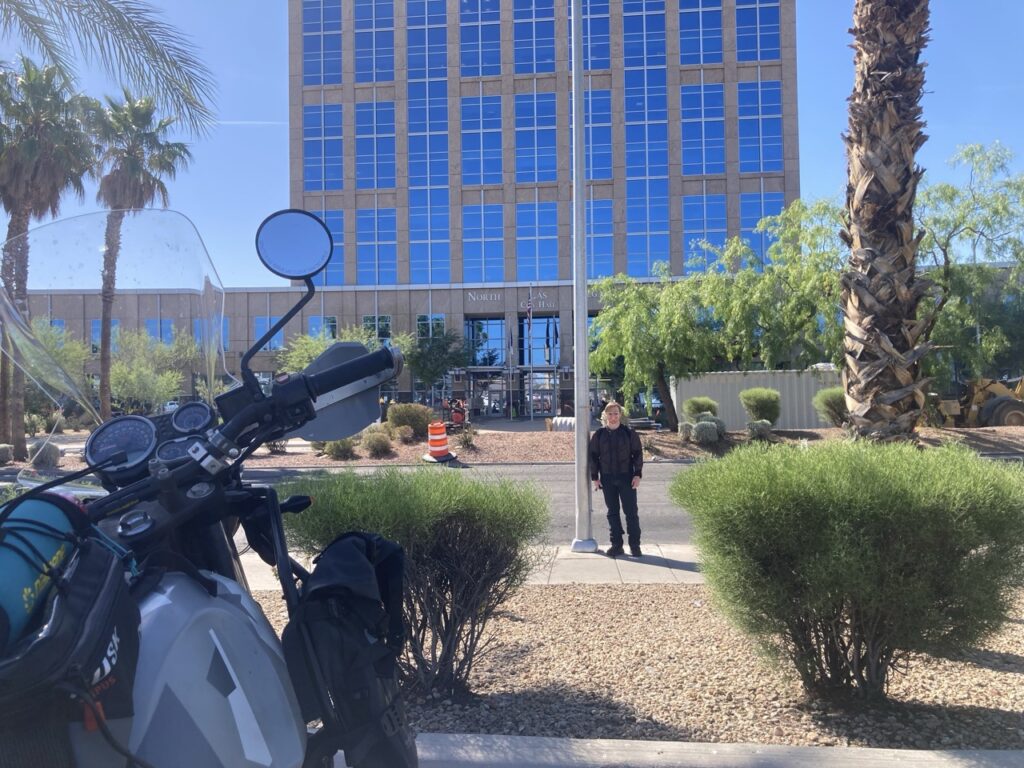
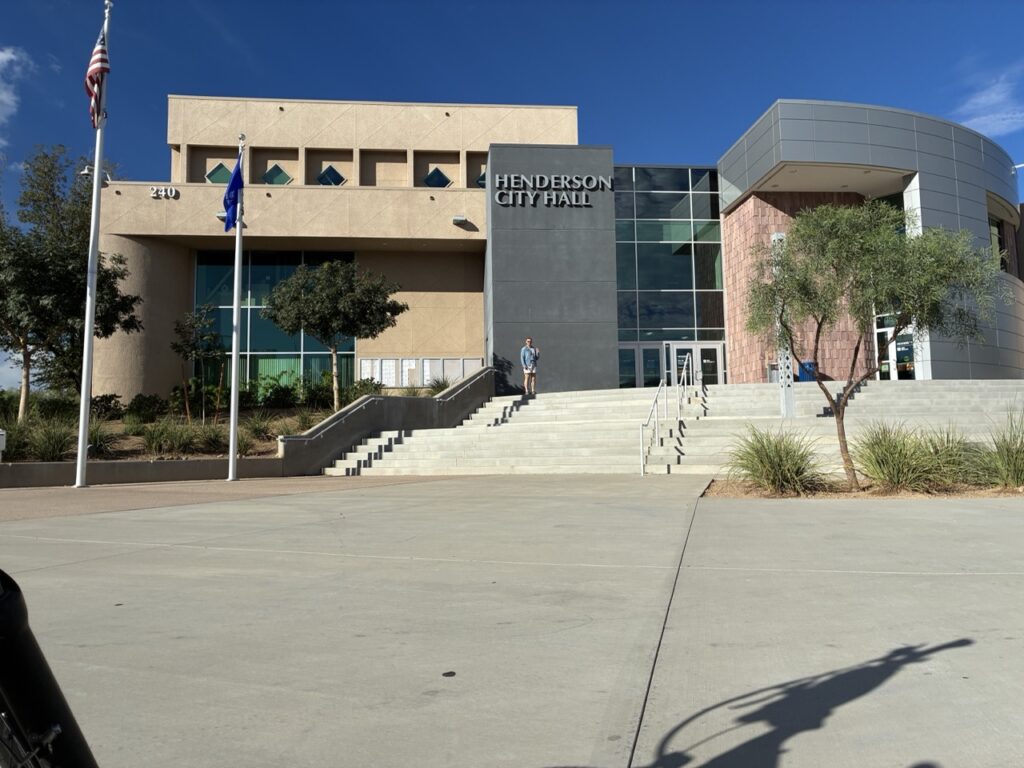
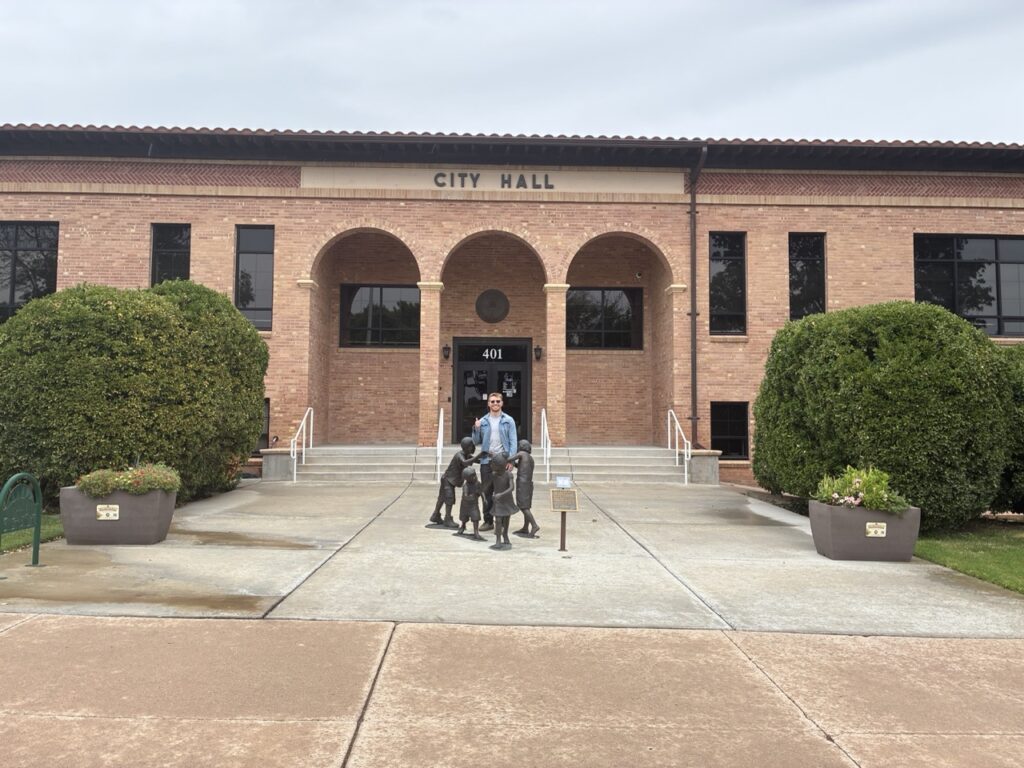
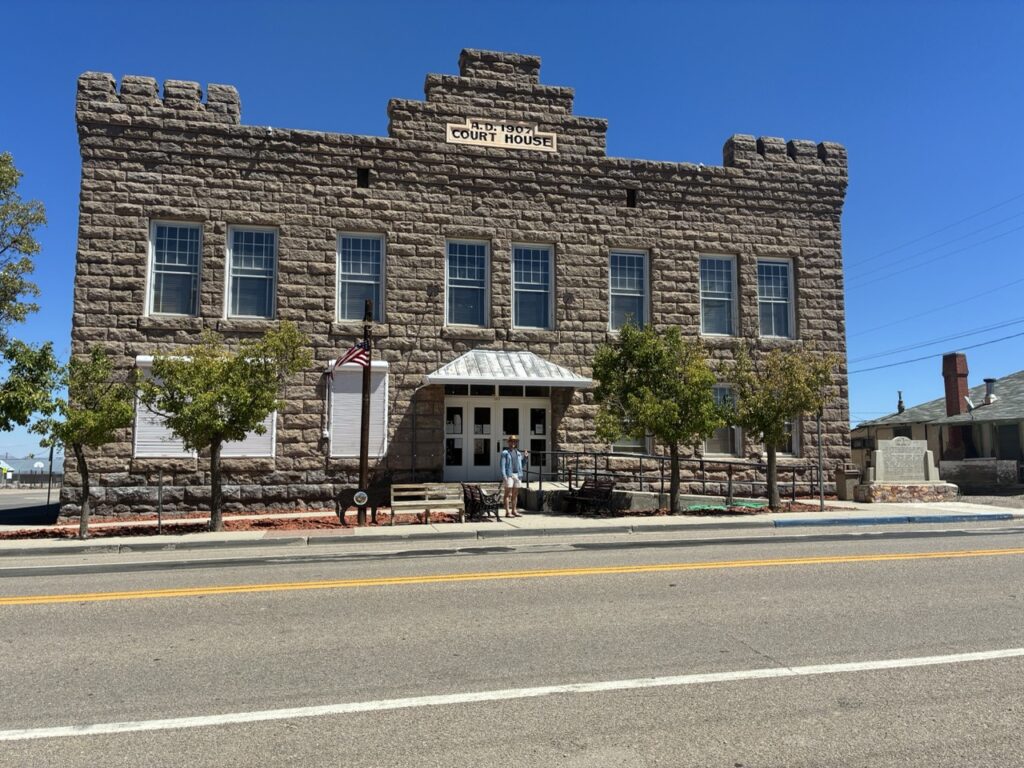
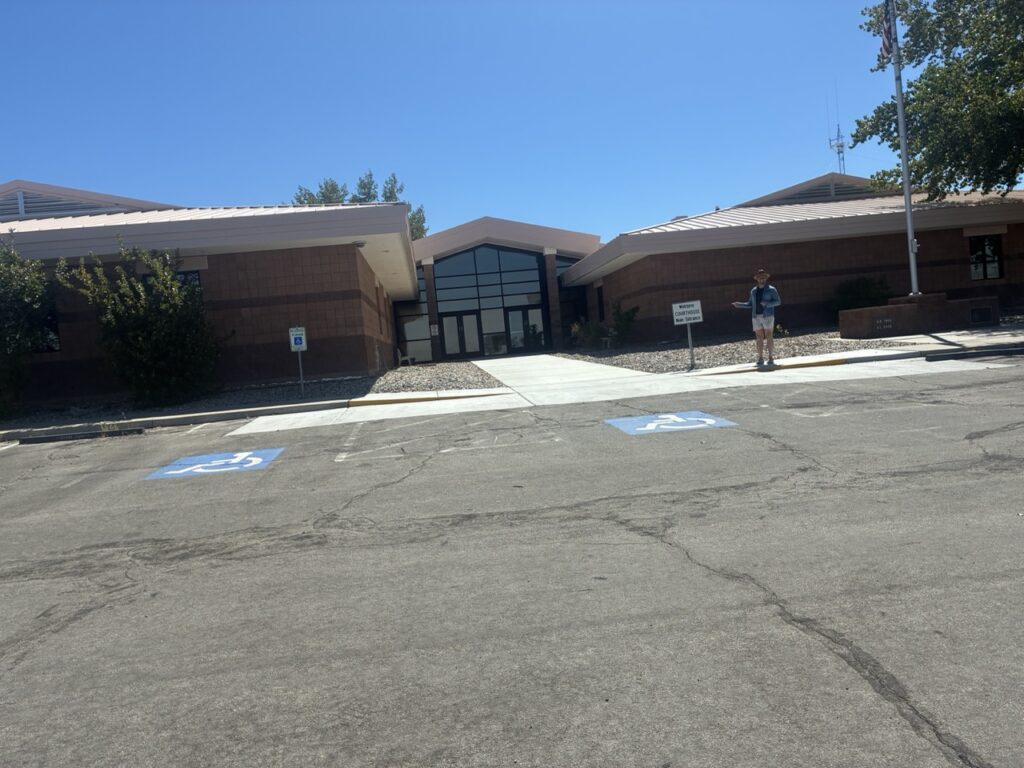
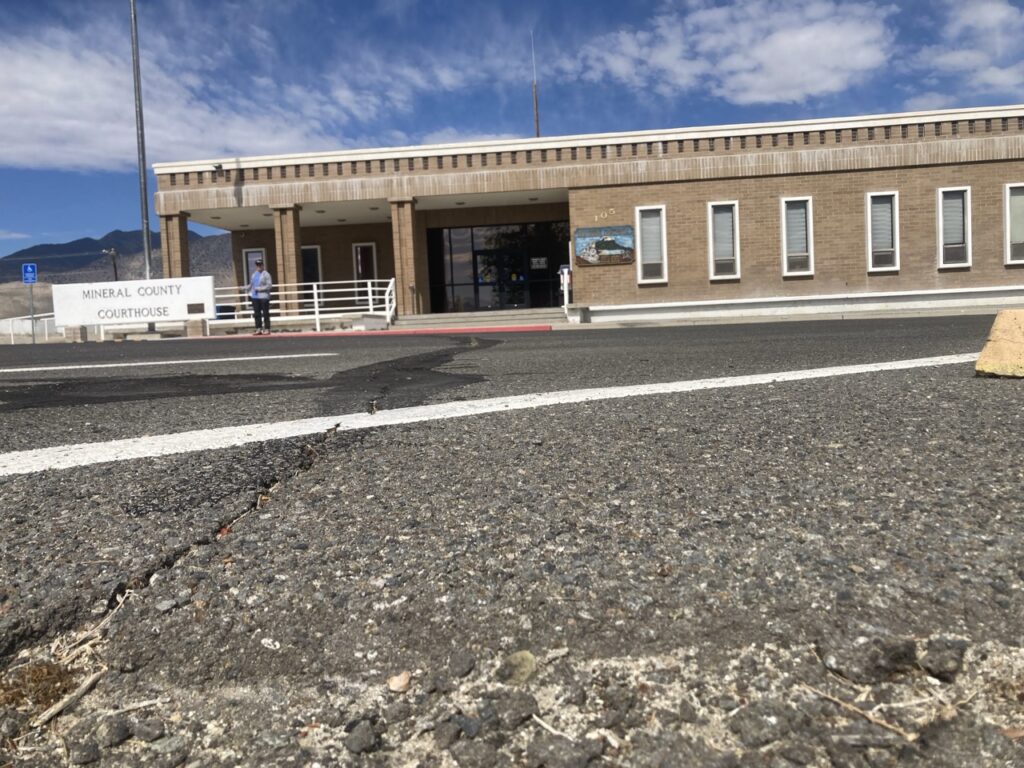
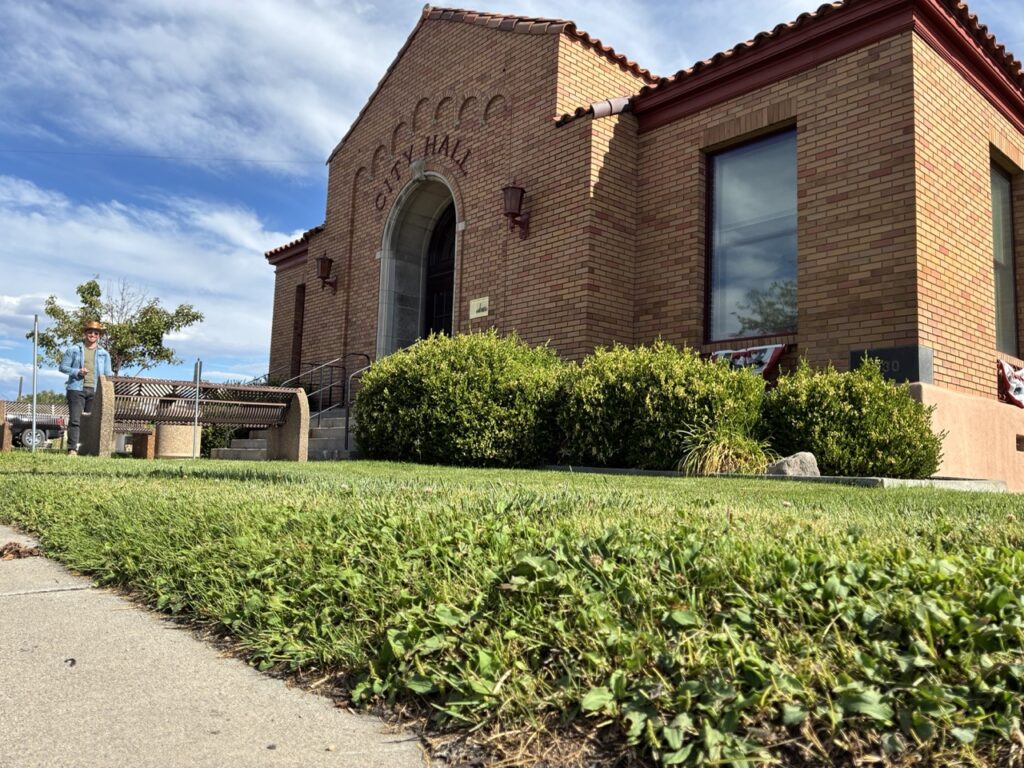
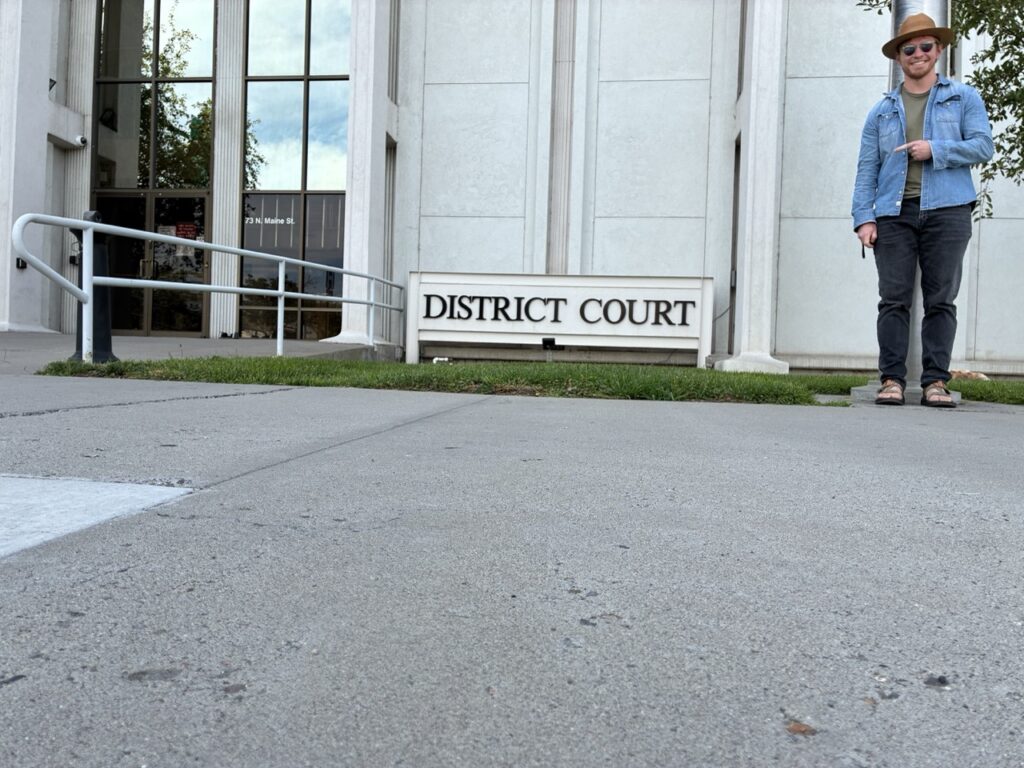
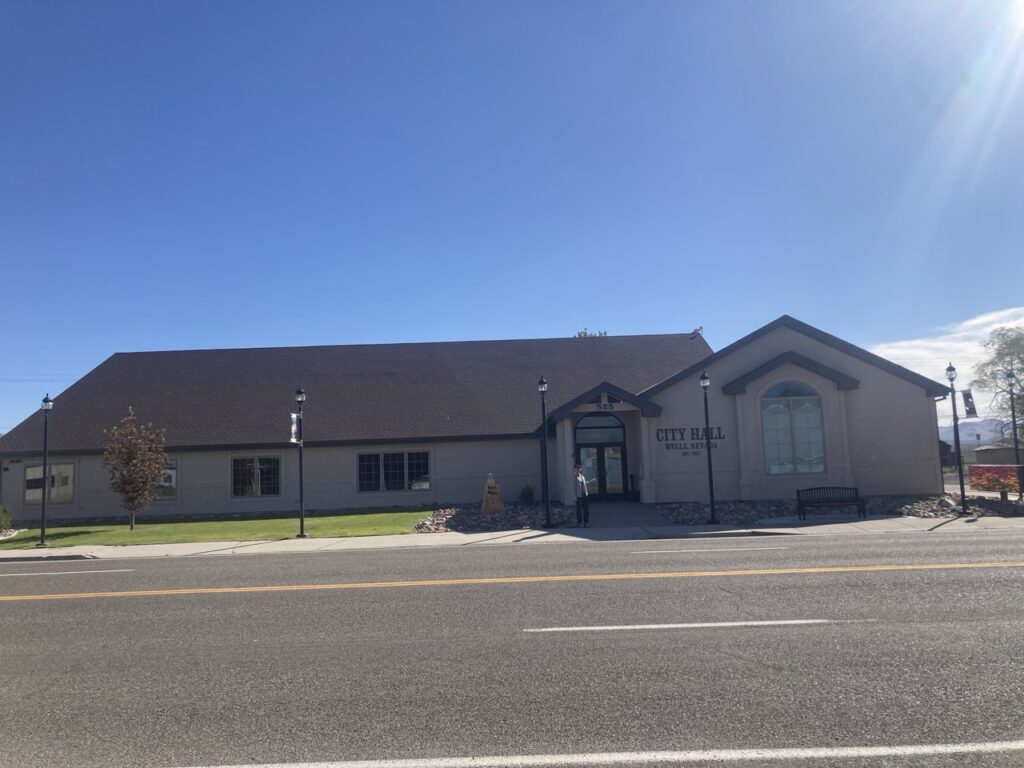
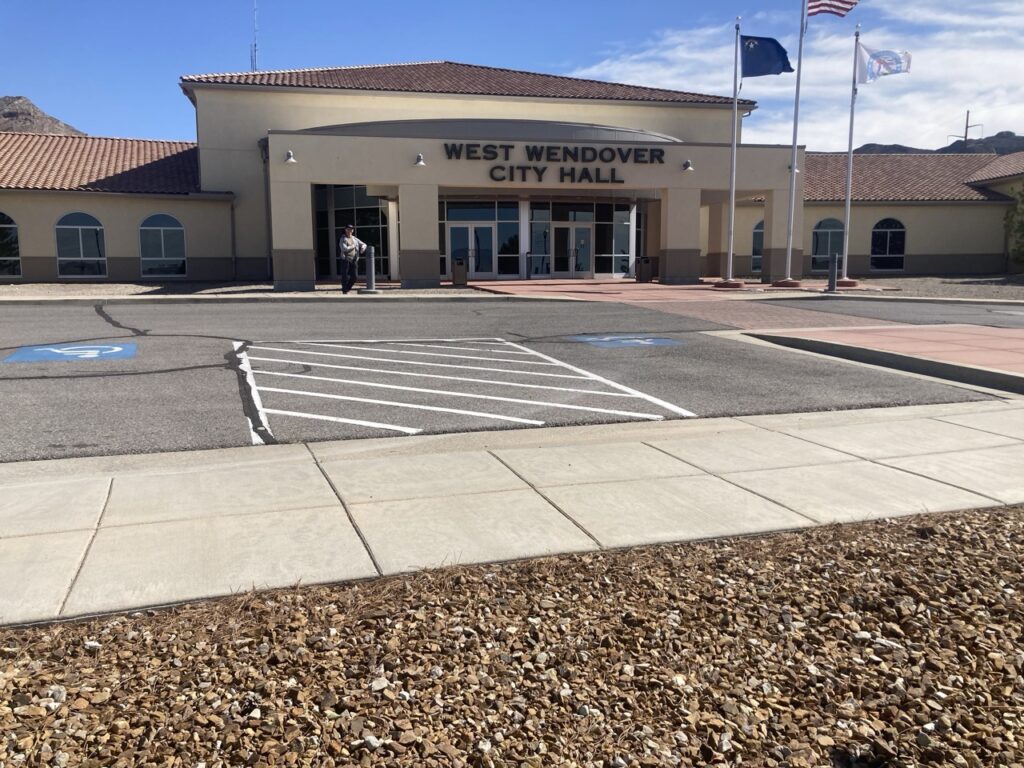
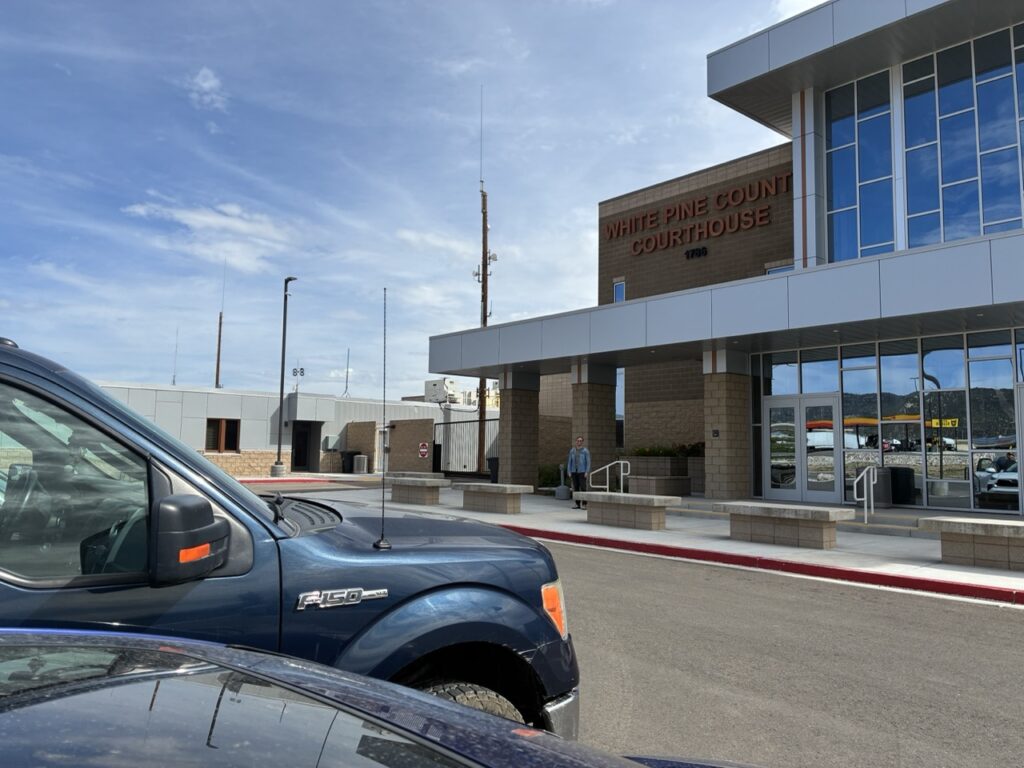
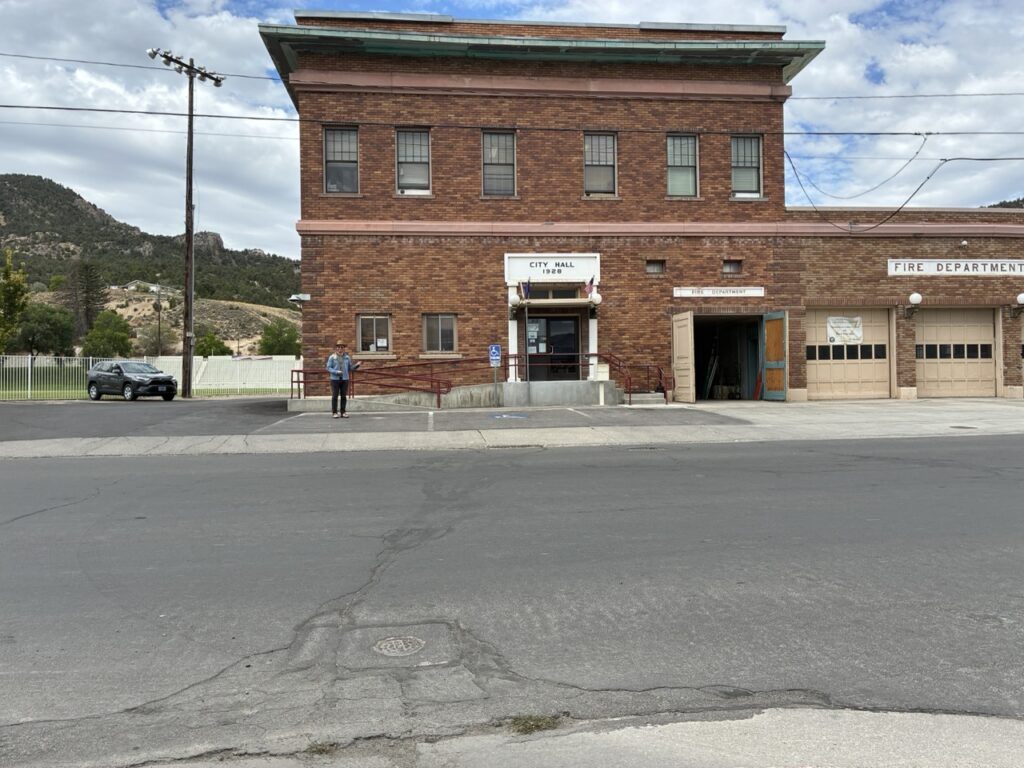
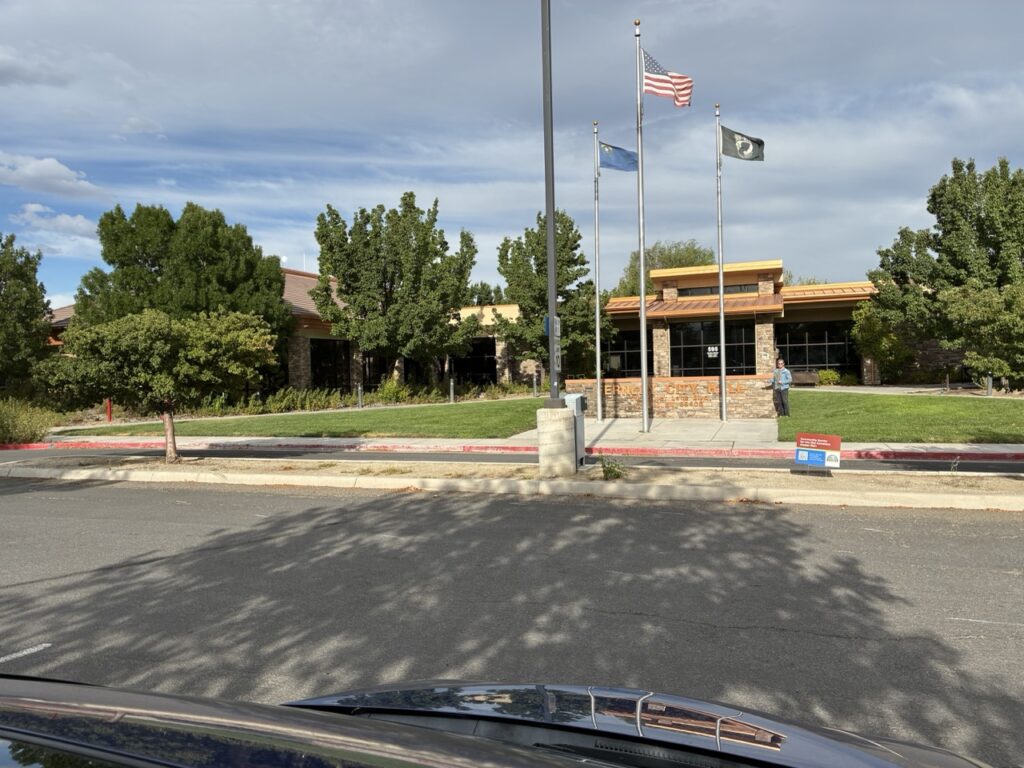
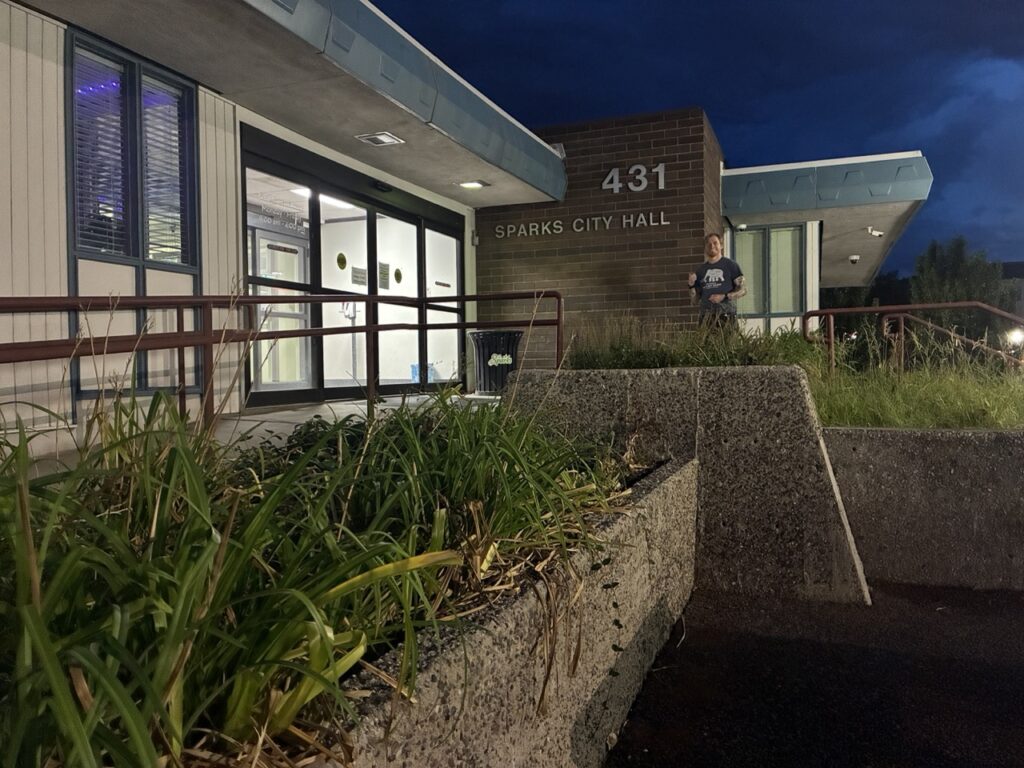
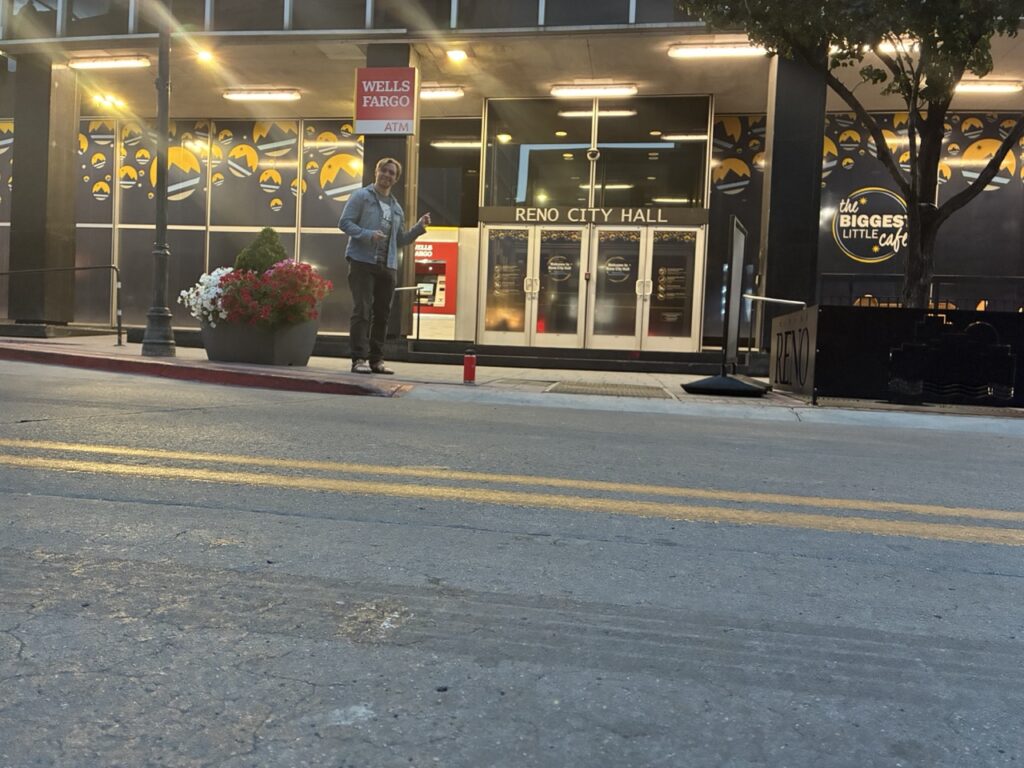
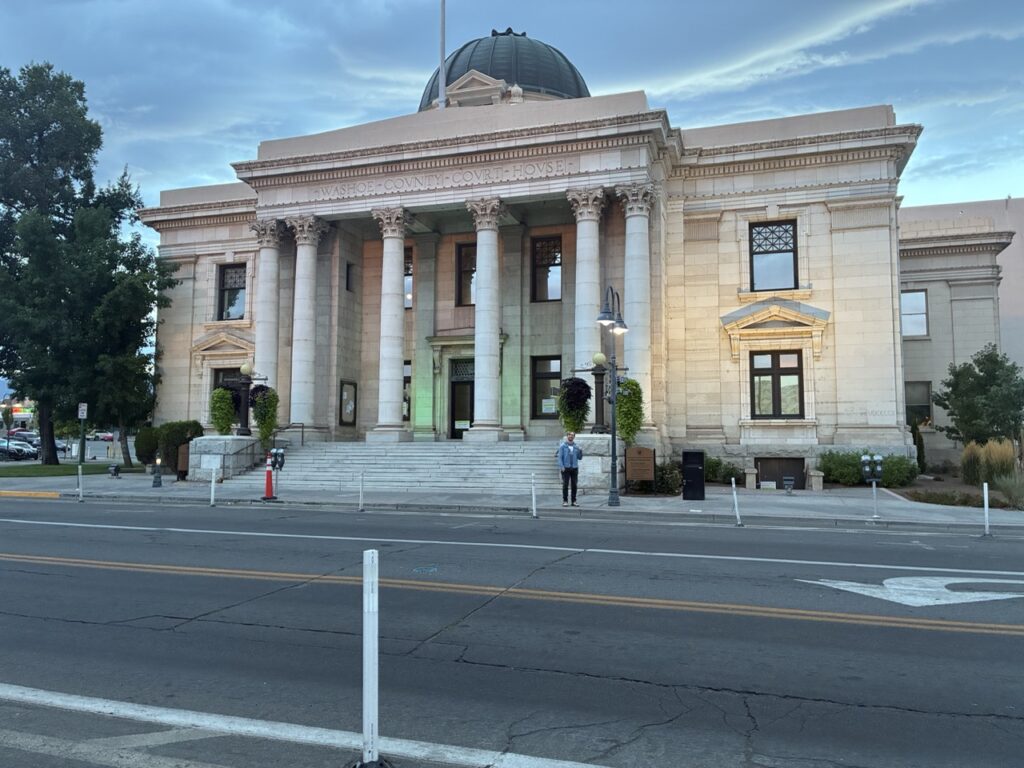
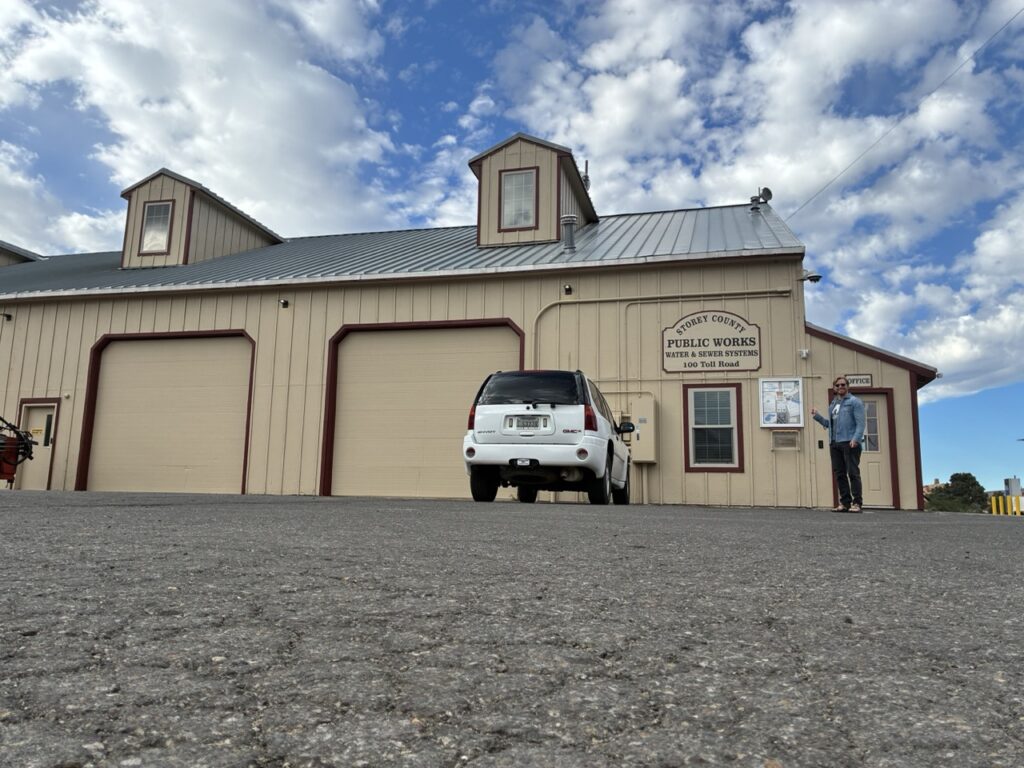
Anyway, here’s photographic evidence of me at every incorporated place in Nevada:
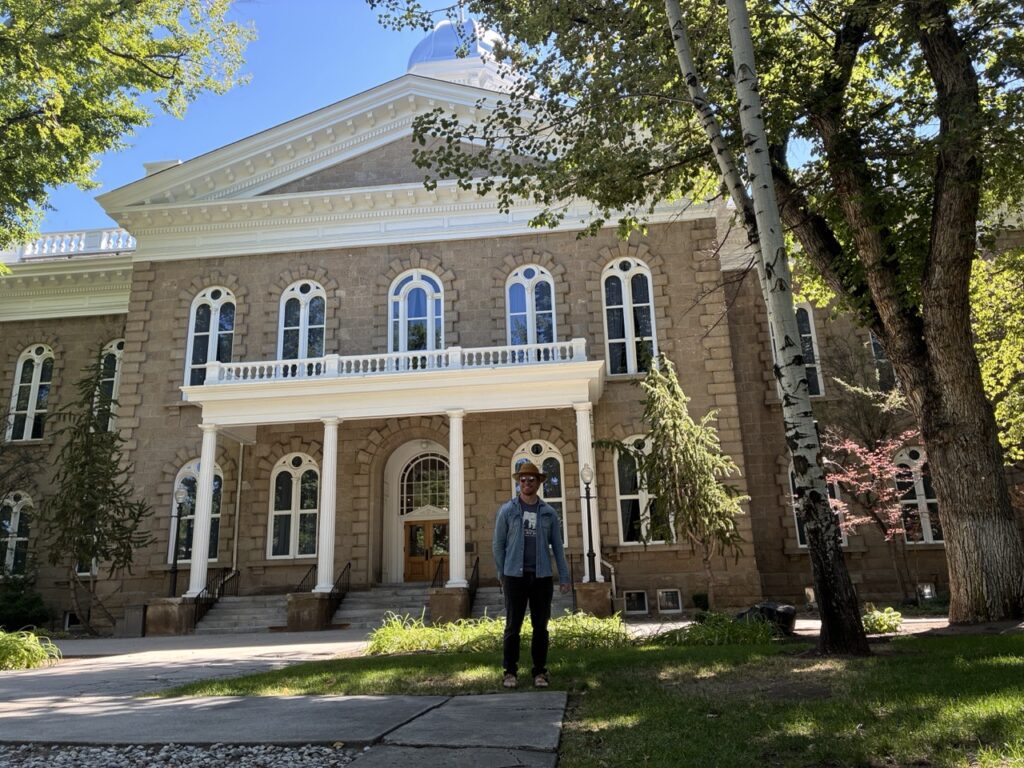
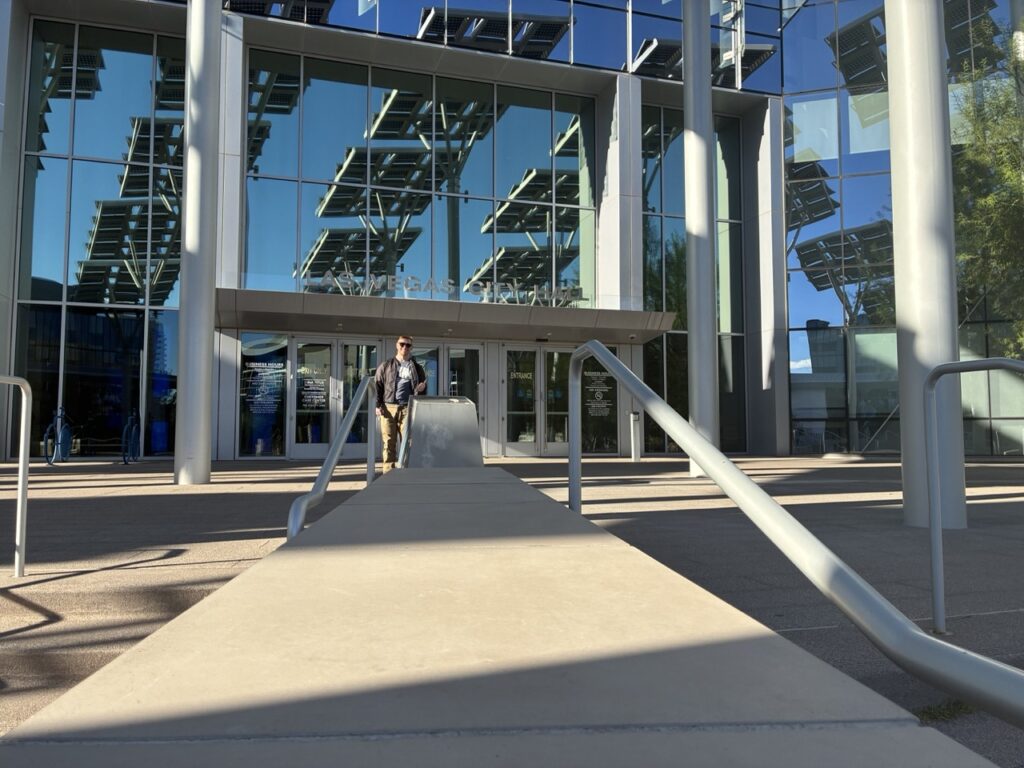
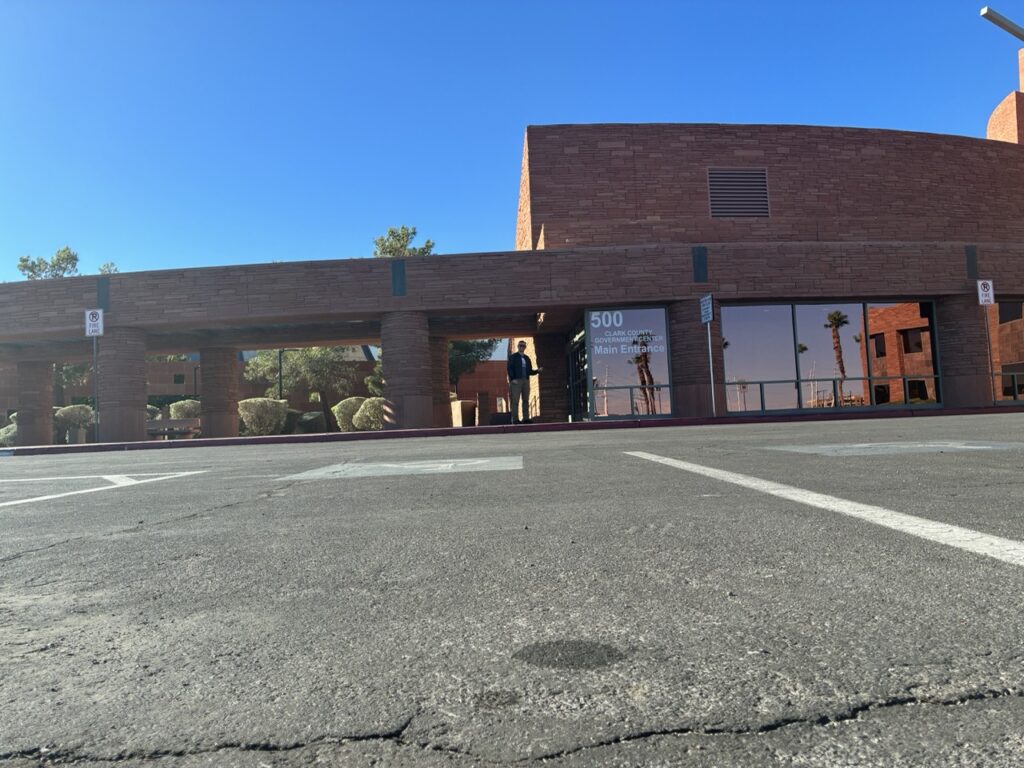
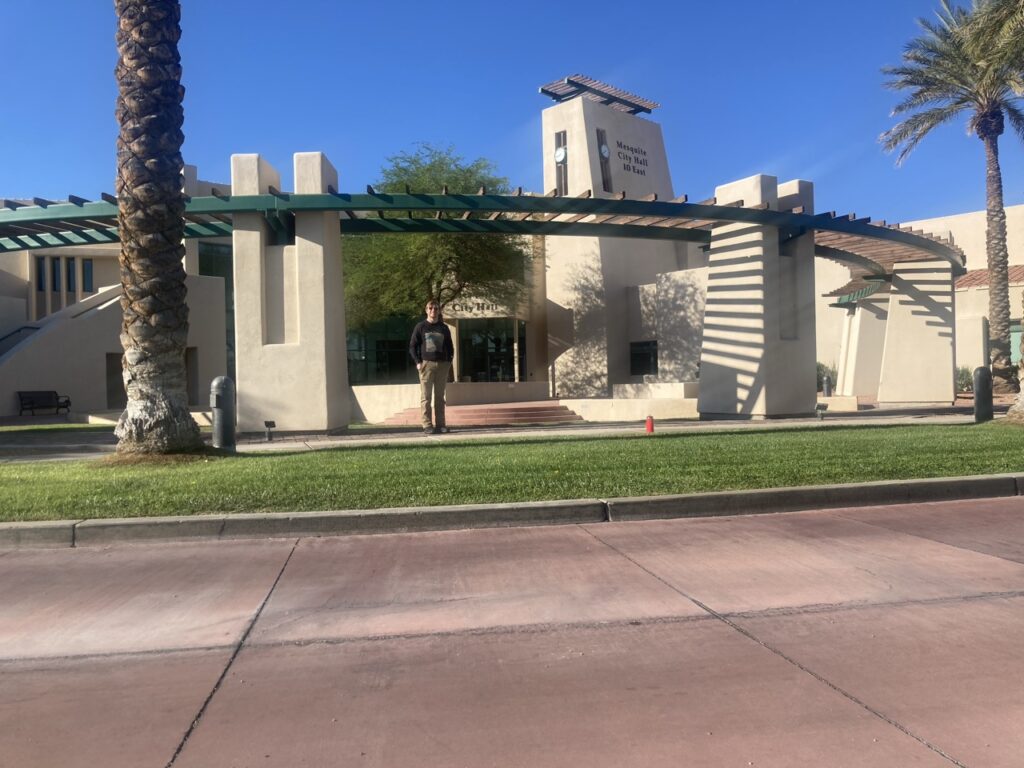
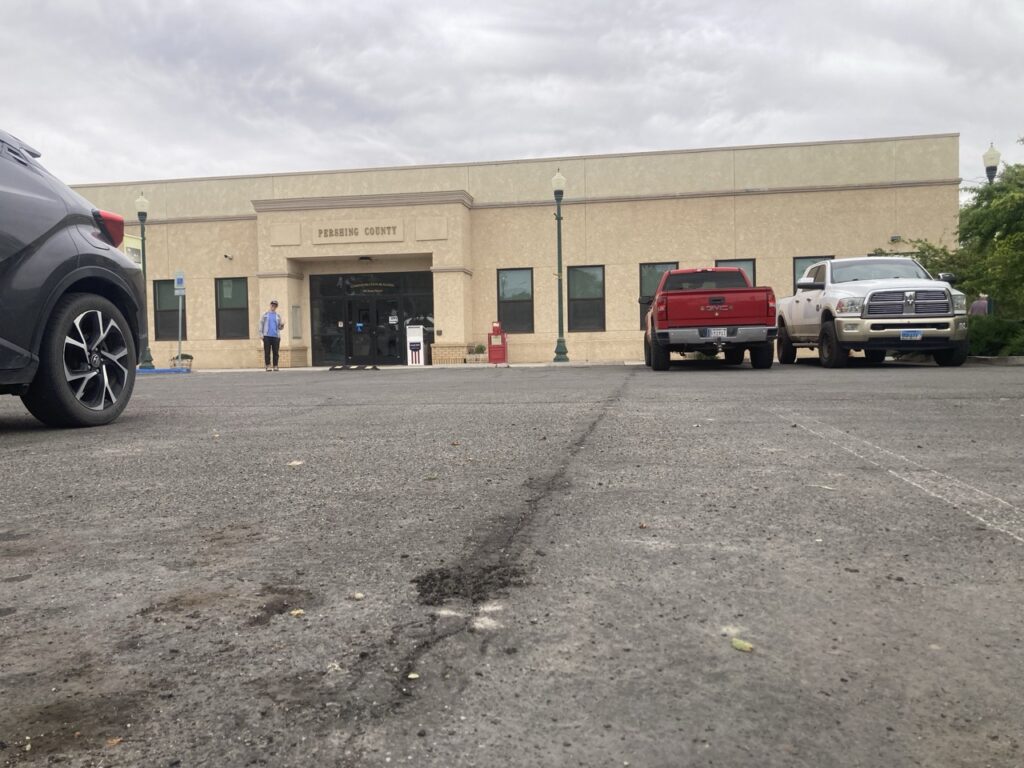
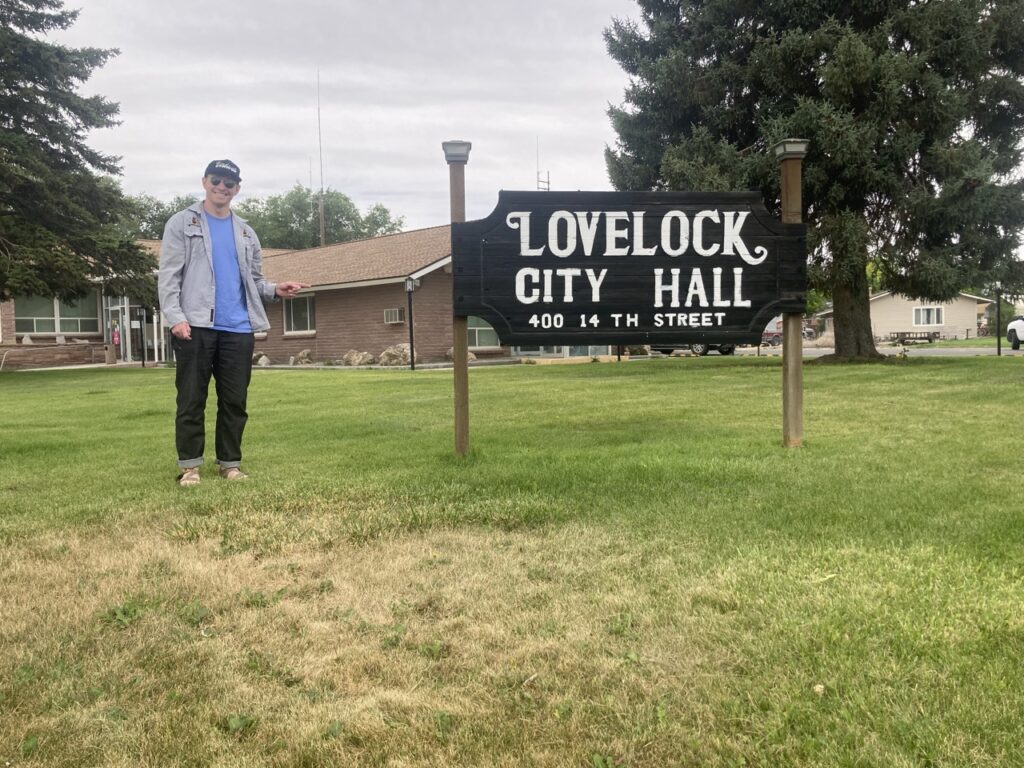
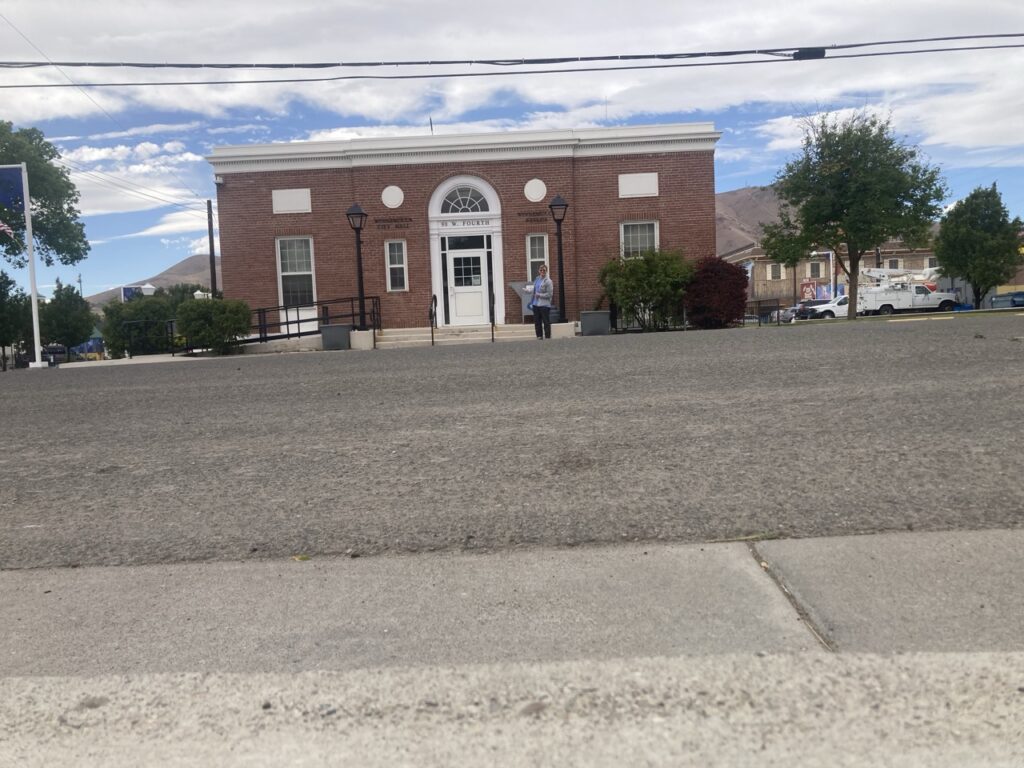
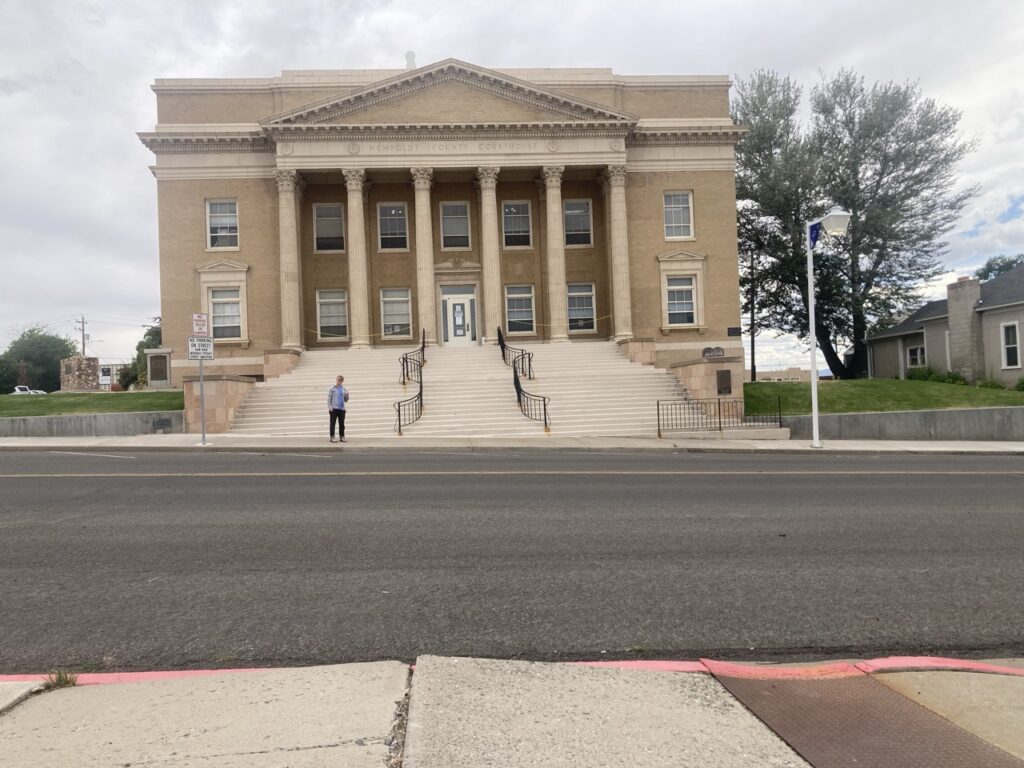
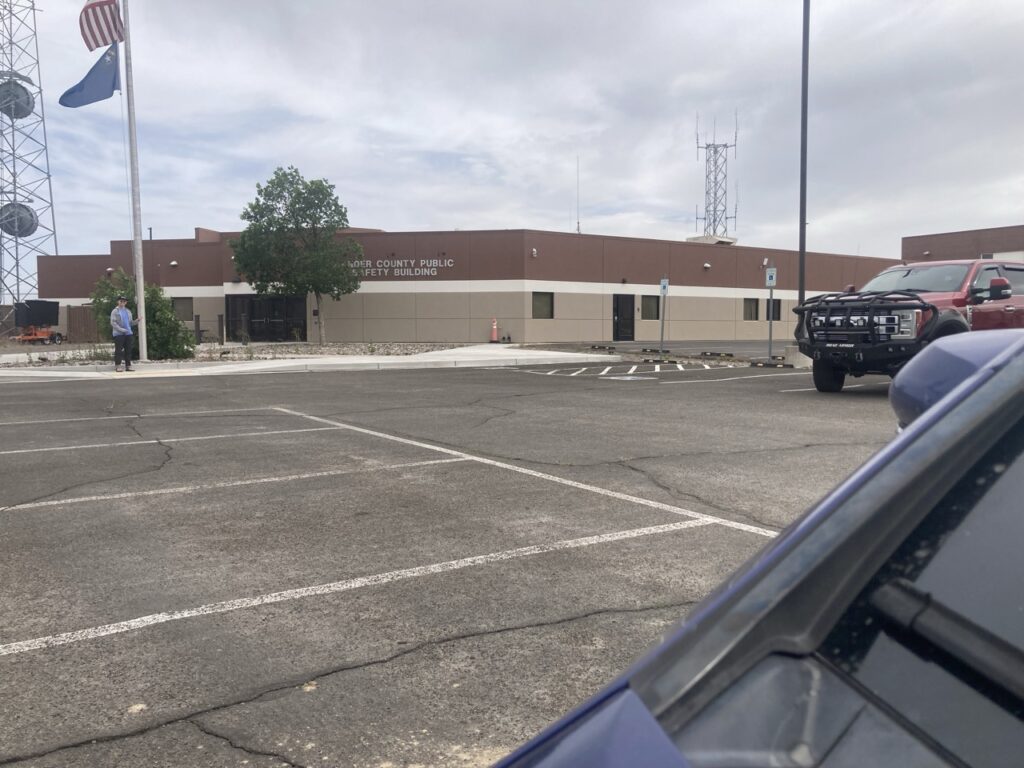
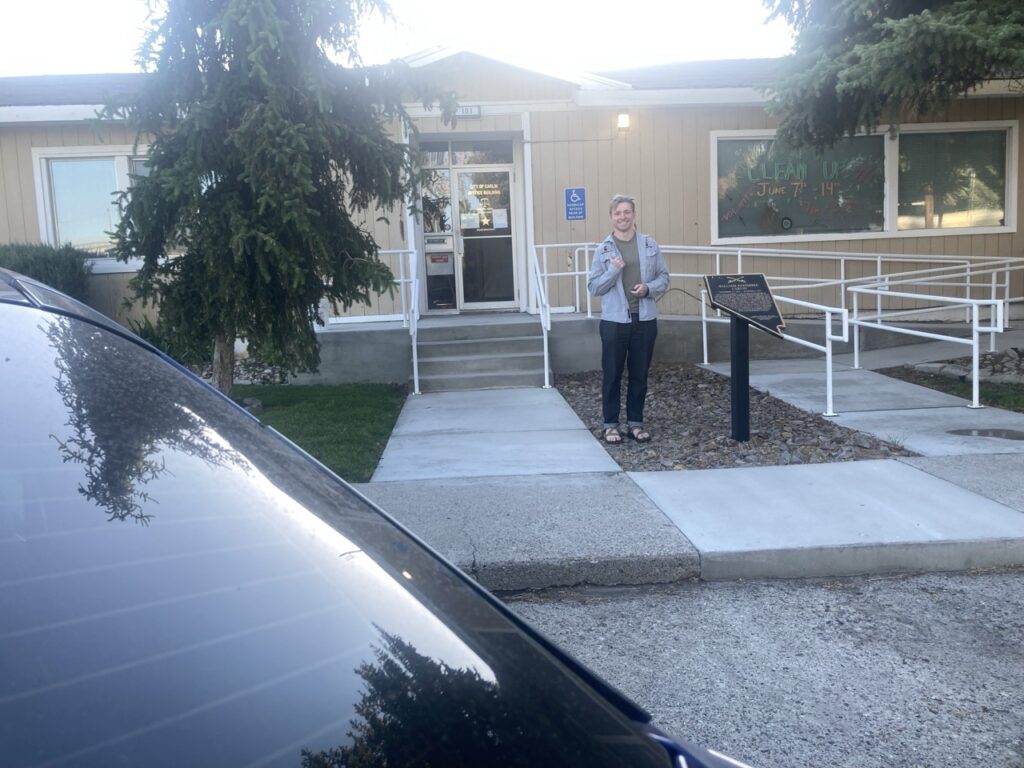
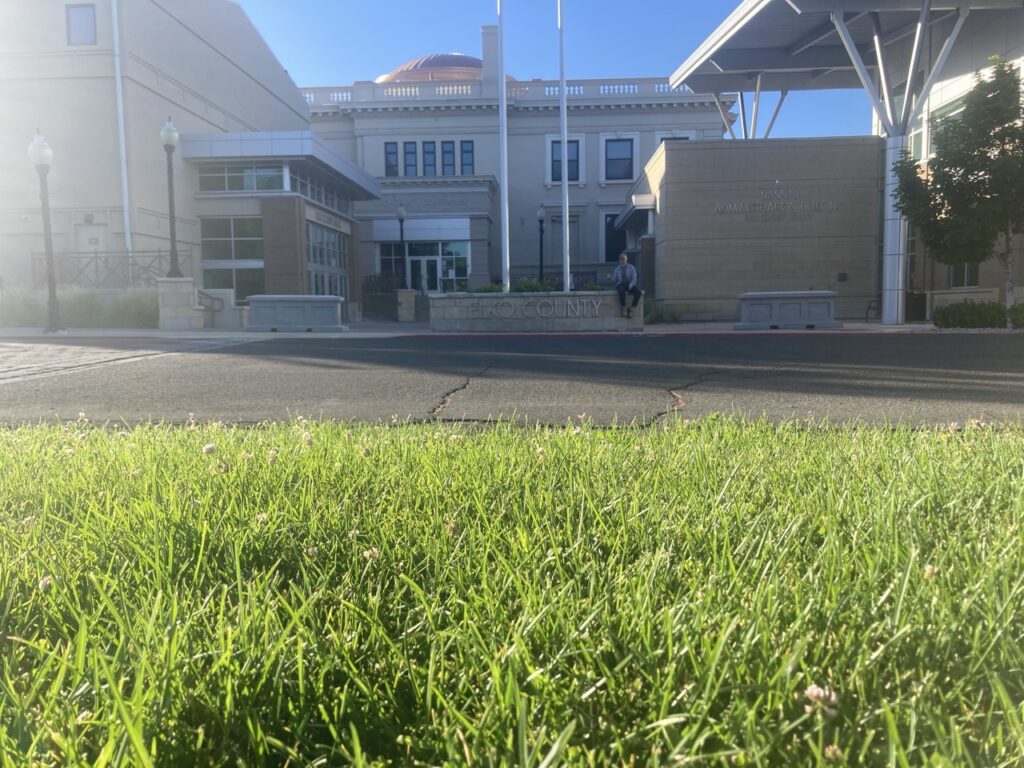
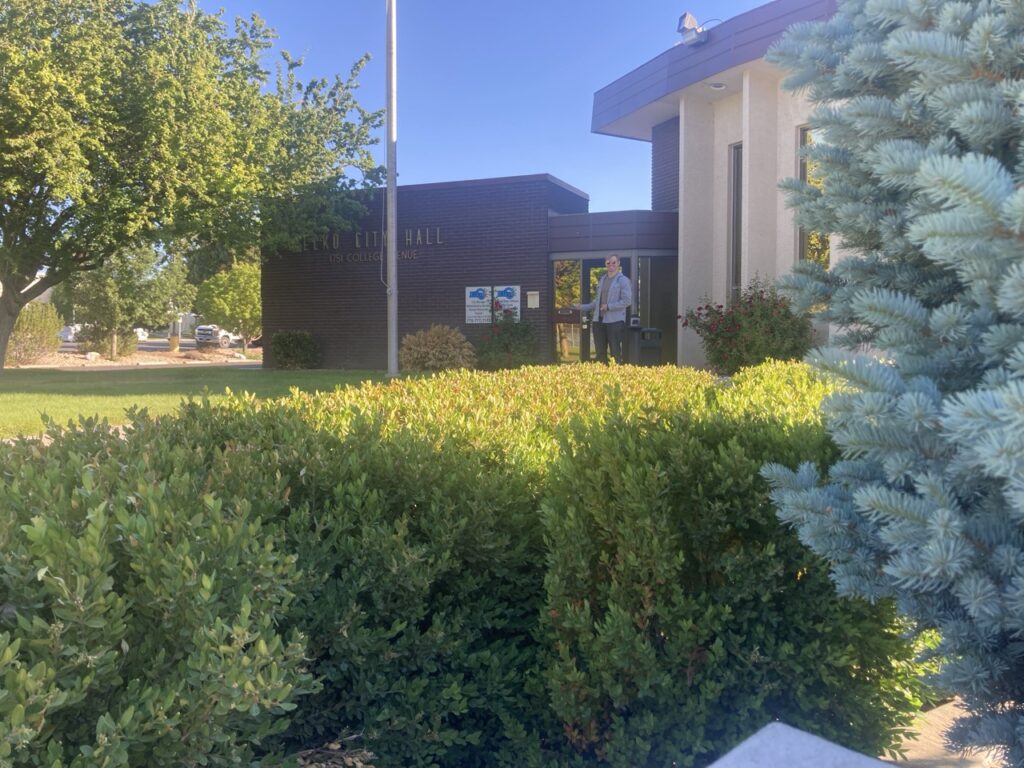
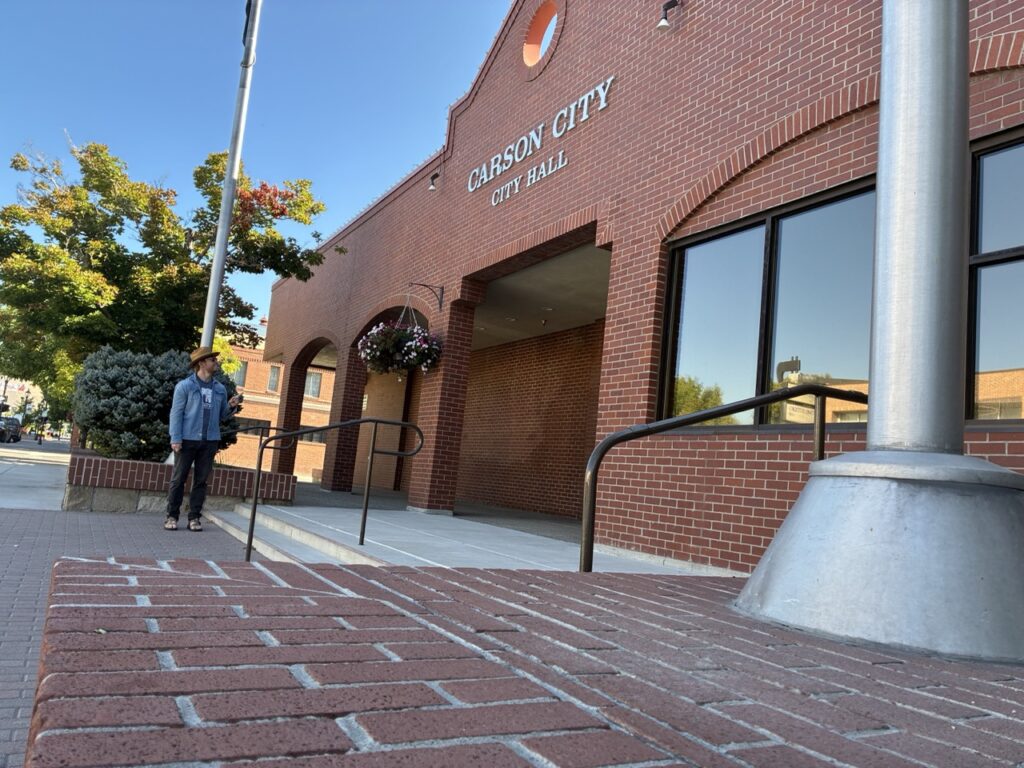
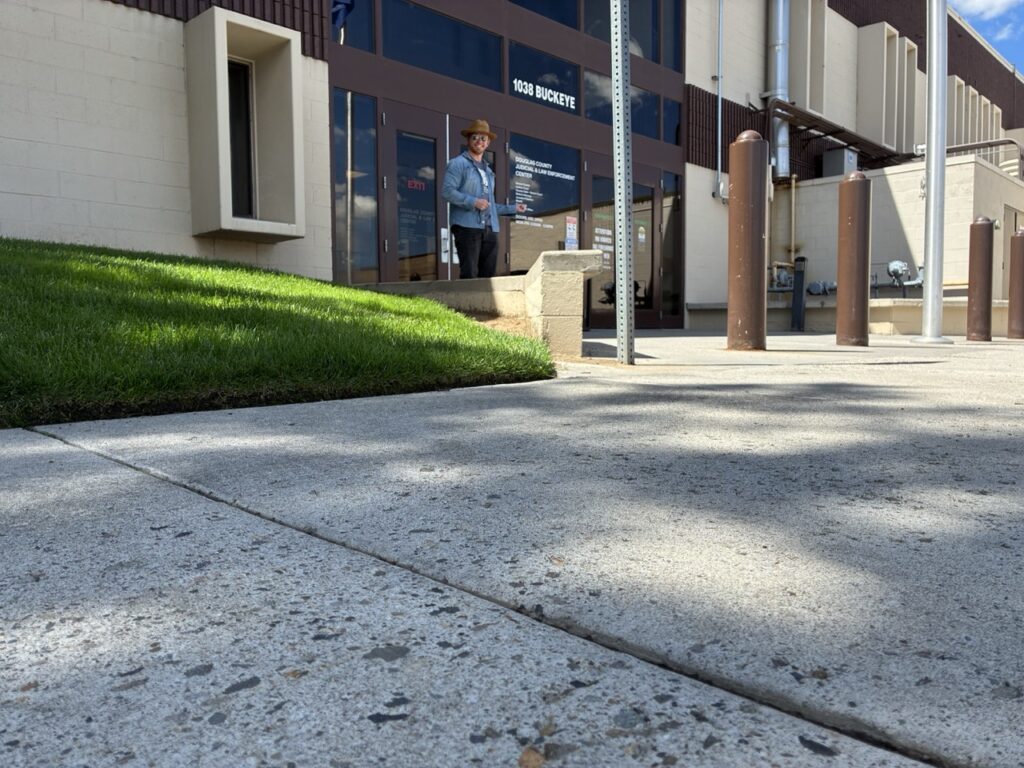
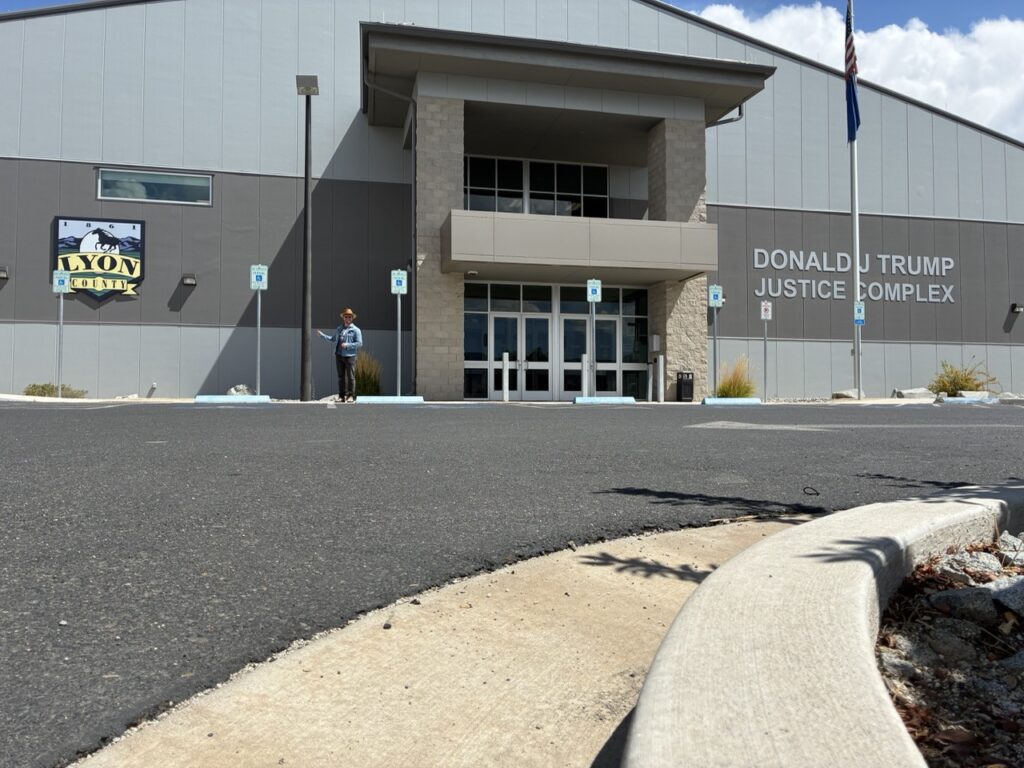
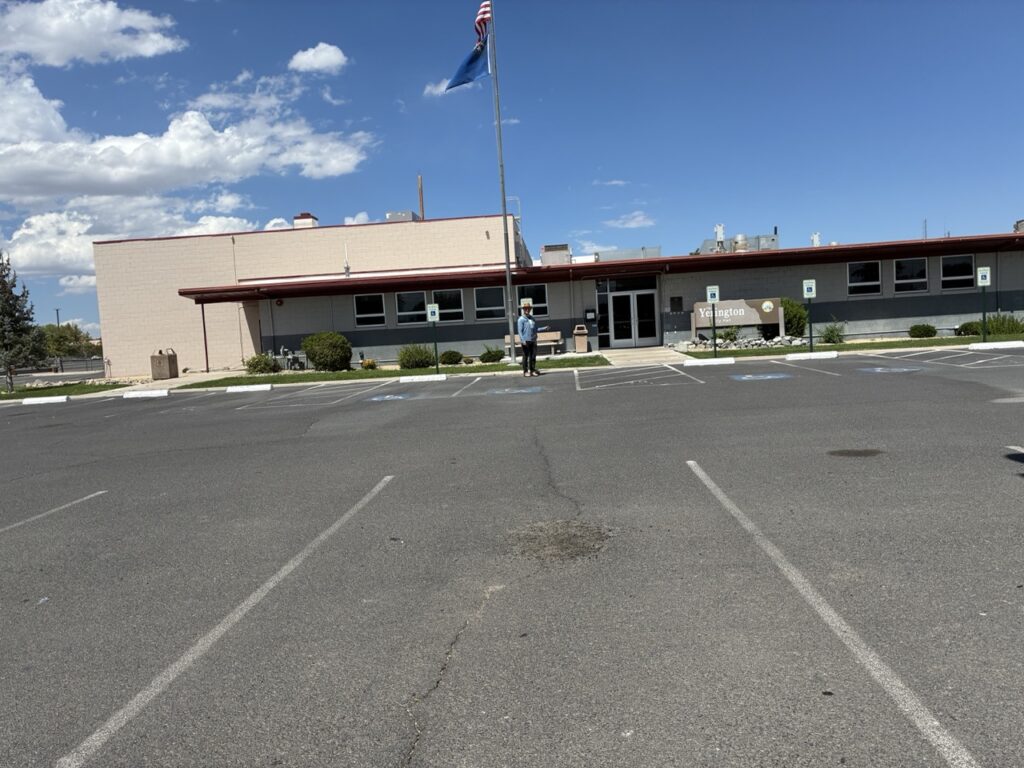
I learned so much about the Transcontinental Railroad, the Pony Express, the first Transcontinental Phone Call, Nevada’s role in the Civil War, and so much more. I’ll have some more thoughts about planning this absurd trip all around the Silver State in future posts. After all this travel, I’ve realized that there’s so much more history and nature to this state, even after all my travels.